
What happened when I contracted Gastroenteritis onboard a Cruise Ship. People talk about Gastroenteritis (or Norovirus). It is referred to as the `Winter Vomiting Bug’. But do you know what it is, why it spreads and how to prevent it?
MY EXPERIENCE OF `THE BUG’
After 60+ cruises I unfortunately contracted Gastroenteritis on a cruise ship recently. It is an unpleasant and debilitating experience that I would not wish to repeat.
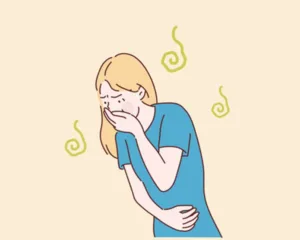 The symptoms of vomiting and diarrhoea occurred through the middle of the night! Advice on the ship at the time was to report any such symptoms to the Medical Centre immediately. This is what we did and just after 5am a kindly nurse came to see me in the cabin.
There is little that can be done for this situation except advise on hydration, rest and food. Medical Staff offered to return to see me if symptoms continue. However, I was told that I would be confined to the cabin for 48 hours.
ONGOING CARE
I was given plenty of water for the cabin, free Wifi for the duration of the confinement and there was a specific menu available through room service avoiding foods that might aggravate symptoms. Believe me,
I really didn’t want food!
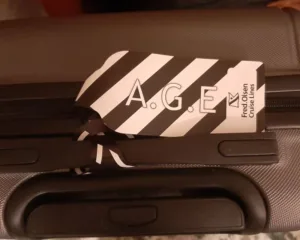
Staff regularly checked on my health by telephone and even a welfare call at the cabin. The confinement in my case would end as we disembarked and special arrangements were put in place for anyone in this situation. We were given special luggage tags and were asked to wait in our cabins until called.
THAT’S MY STORY – LET’S DELVE A LITTLE FURTHER
Gastroenteritis is a highly contagious virus causing sudden, intense vomiting and diarrhoea. It is often transmitted via contaminated food/water or close contact. Symptoms typically appear 12-48 hours after exposure and usually lasts 2-3 days.
Why is it called the `Winter Vomiting Bug’?
It is highly active in cold weather although it can occur at any time of the year. That combined with more people contained in enclosed spaces (hospitals, schools, cruise ships) means that it will spread virulently.
Why does it spread?
Gastroenteritis spreads rapidly through faecal-oral transmission, where microscopic virus or bacteria particles (like norovirus) from an infected person’s stool or vomit enter another person’s mouth. Key transmission routes include direct contact, touching contaminated surfaces, or consuming tainted food/water.
Treatment

Primary treatment is rehydration (water, oral rehydration solutions), avoiding dairy/fatty/spicy foods – and resting.
PREVENTION IS BETTER THAN CURE
Whilst I contracted the illness on a cruise ship, it is also prevalent in hospitals, schools etc. The ship I was on had been through a deep clean in order to `break the cycle’ from the previous cruise and had special measures on board to help keep people healthy. However, no matter how thorough this is, there is still a responsibility on behalf of passengers for their own health and hygiene as it is most likely that someone carried the virus onboard with them.
WHAT CAN YOU DO?
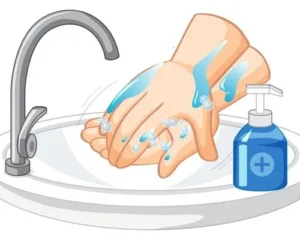
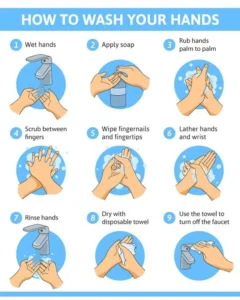
Frequent, thorough handwashing with soap and warm water for at least 20 seconds is the best way to remove and kill the virus.
Alcohol-based hand gel (sanitiser) is generally ineffective against gastroenteritis.
AND it isn’t just your hands causing the issue:
 Don’t place bags and handbags on surfaces where food and drink will be placed.
Additionally, Don’t place items such as walking sticks on tables nor use the base of them to push buttons in lifts – just think about where they may have been!
And Don’t use water dispensers in the buffet to fill your water bottle – there are usually signs up with this advice and it is for good reason.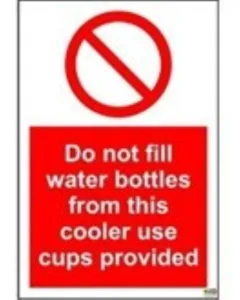
Just ask yourself where these may have been, what else may have touched them!
AND FINALLY …
First and foremost I cannot speak too highly of the Medical Team, the crew that looked after the cabin (known as the `Hit Squad’), our wonderful cabin steward, Guest Services, Room Service and even the disembarkation crew.
It won’t put me off cruising. It will make me hand wash more than I already had done.
We just cancelled our cruise today, was heading to Norway tomorrow but the fear or this bug being on the ships put it all on edge for us. Not prepared to put ourselves in danger of contacting norovirus. Staying at home for now.
That’s such a shame – but you need to do what is best for you.
So sorry you got Norovirus. GI illnesses are so debilitating. I hope you are on the mend.
Thank you – back to my usual self now.