Dinan, Brittany
OVERVIEW – On this page you can see information about Dinan, Brittany and some suggestions of Things to Do. We reflect on our visit including: a walk around the medieval city and into the Cathedral. Also more general hints and tips.
Video(s) of our visit(s) accompany at the foot of this page.
ABOUT
Dinan is a fortified hilltop town in Brittany, northwestern France, whose history stretches back over a millennium along the River Rance. During the 11th Century it emerged as a strategic hilltop settlement guarding the Rance Valley trade routes between Brittany and Normandy. It is famously depicted on the Bayeaux Tapestry.
The town prospered through its river port and trade in linen, wool, leather, and grain. But by 13th Century larger seafaring ships shifted to Saint-Malo.
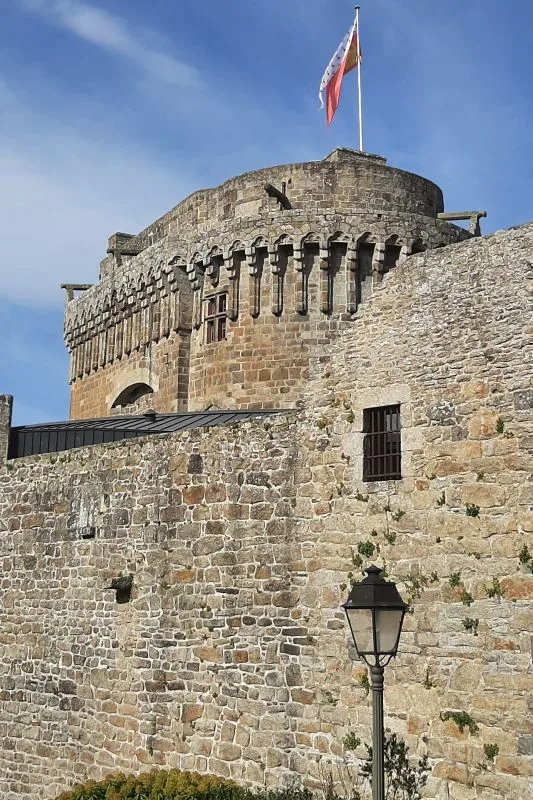
In the 14th Century it survived two English attacks and saw a pivotal victory in the 1357 Siege of Dinan by Breton knight Bertrand du Guesclin. During the late 14th century the construction of the Chateau de Dinan was started and the town’s defenses reinforced.
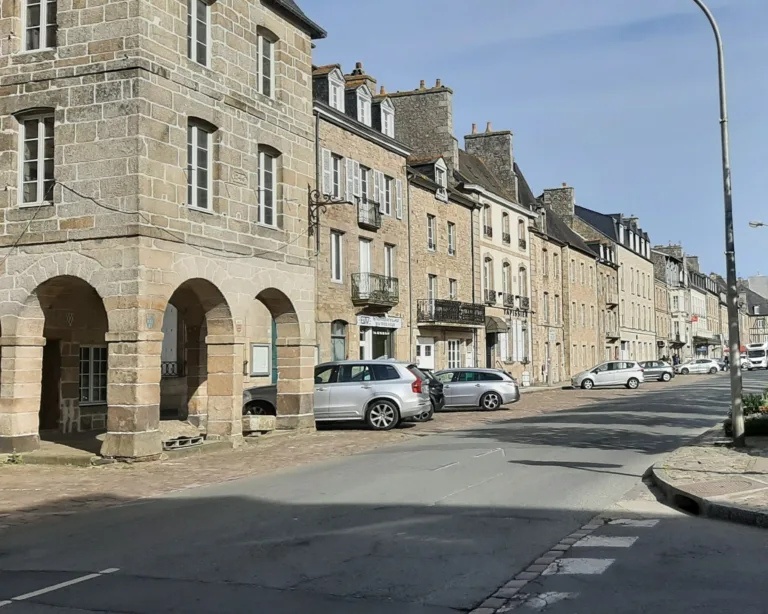
Between 17th-18th Centuries wealthy businessmen built stone houses alongside the older timber-framed ones.
Population just over 15,000 in 2026
Currency is the Euro

THINGS TO DO
Most activities in this stunning little town centre around the buildings and their place in history. A few examples are mentioned here.
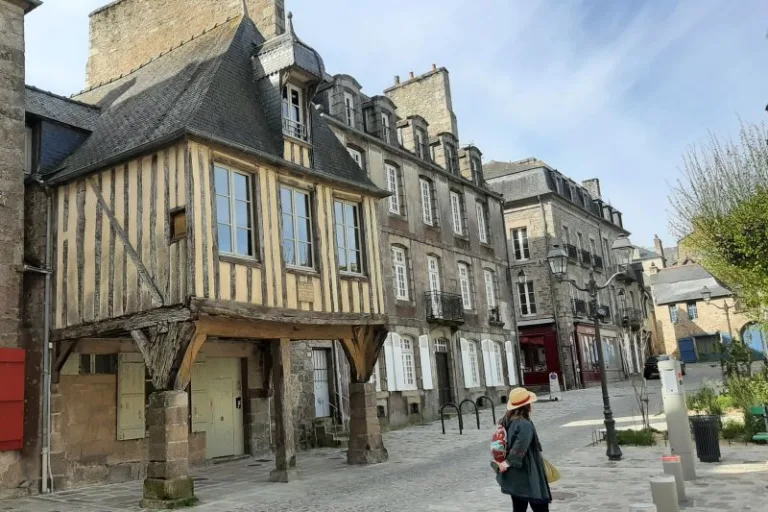
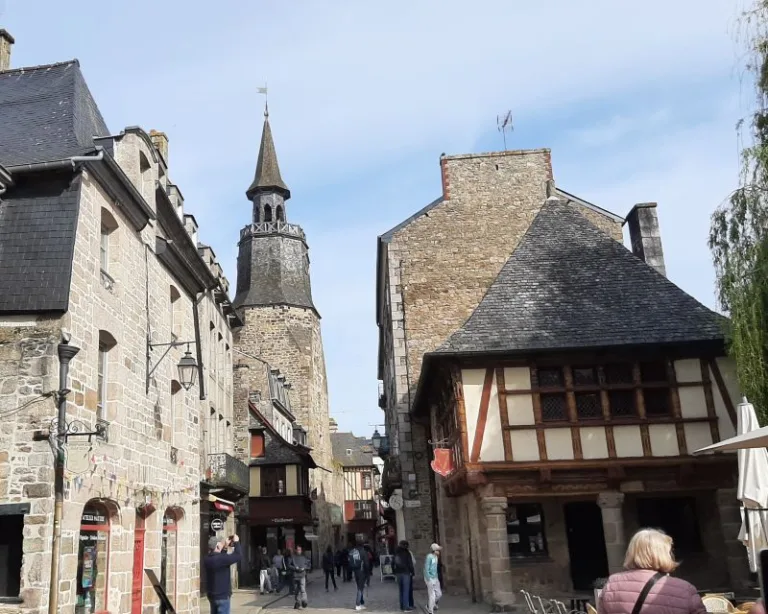
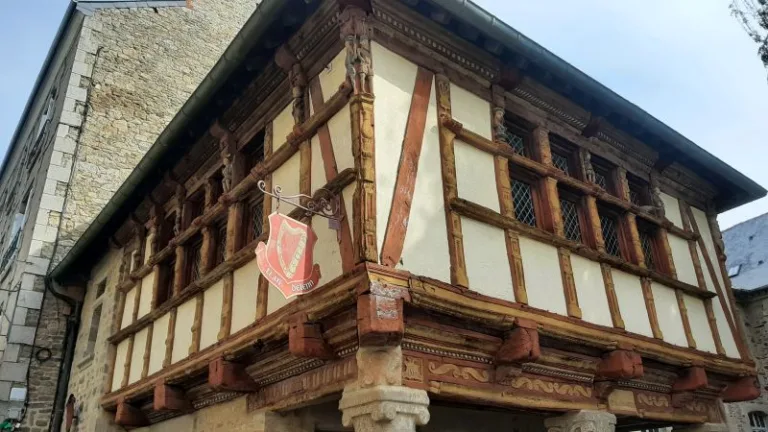
Wander around the centre of Dinan with its timber-framed buildings and cobbled streets.
Visit the Chateau de Dinan the 14th Century ducal fortress.
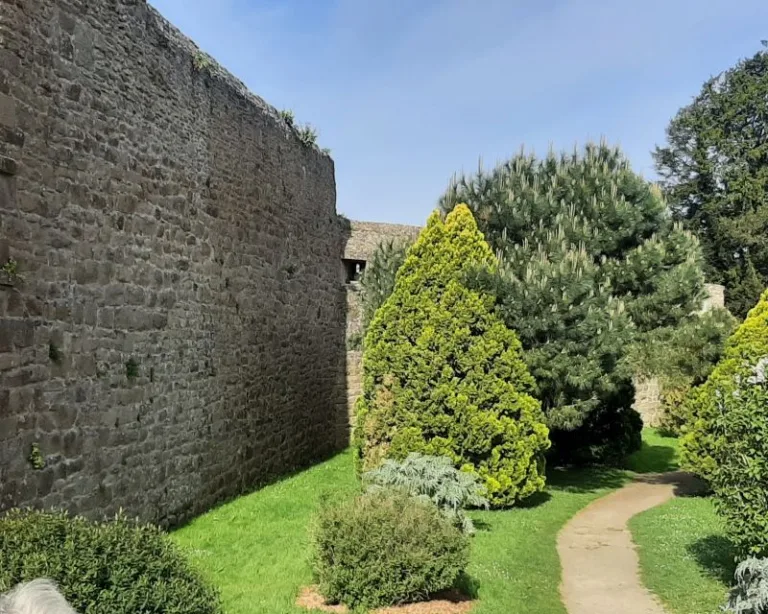
Walk the ramparts, approximately 2.7km long providing superb views.
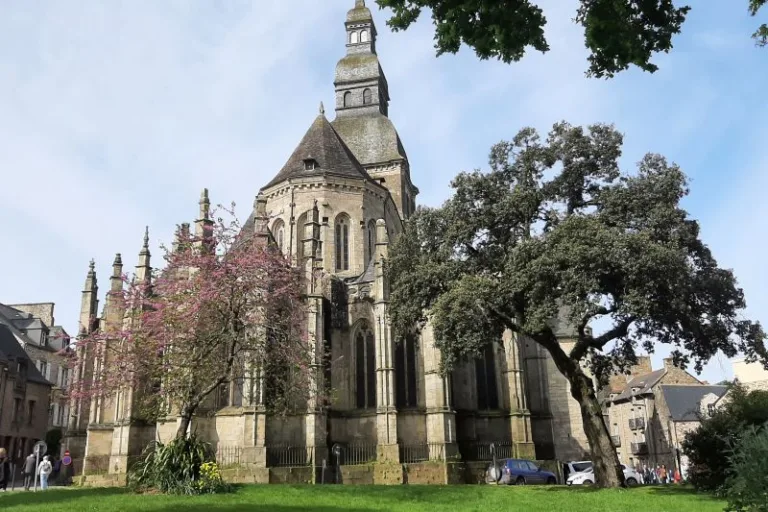
Visit the churches which hold significance in the town, particularly the Basilique Saint-Sauveur.
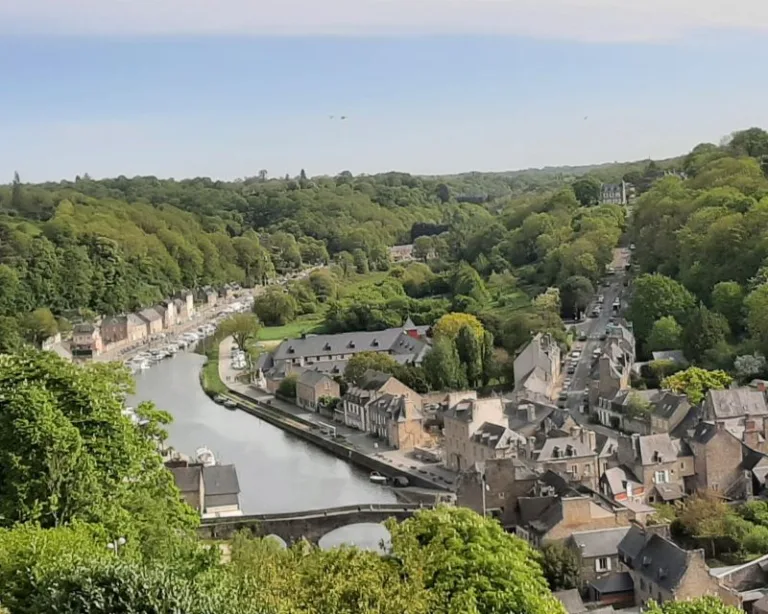
Walk down to the port of Dinan to enjoy its views and cafes or take a boat trip to see more of the riverside.
On top of all that, this town is rich in it’s tradition of food. Local Breton food includes buckwheat gallettes and sweet crepes.
VISITOR TIPS – Dinan is a beautiful town and there is lots to see. If you are planning an independent trip we would suggest contacting Brittany Tourist for information. Alternatively check out options via companies such as Viator (link at the top of this page) who offer details on self-guided walking tours.
Wear sturdy, comfortable shoes to walk on the cobbled streets and uneven ramparts.
Individual attractions such as the castle or boat trips generally require separate tickets.
OUR FAVOURITE THINGS TO DO
We visited Dinan whilst on a cruise on Fred. Olsen’s Borealis as part of an organised tour from the ship.
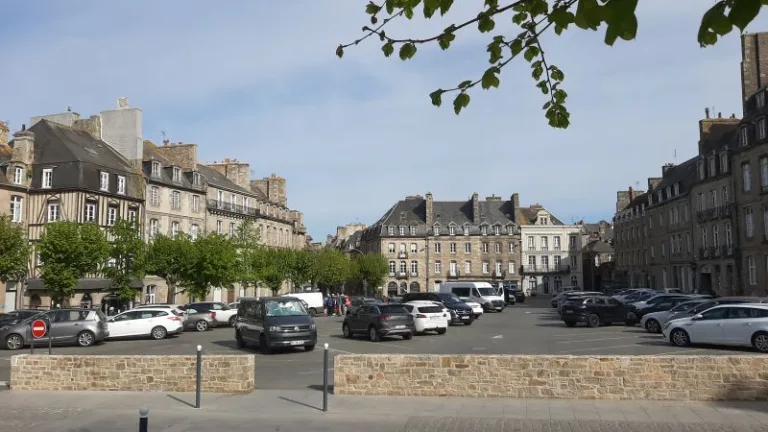
Our coach took us and a guide to the town where we disembarked in the central square.
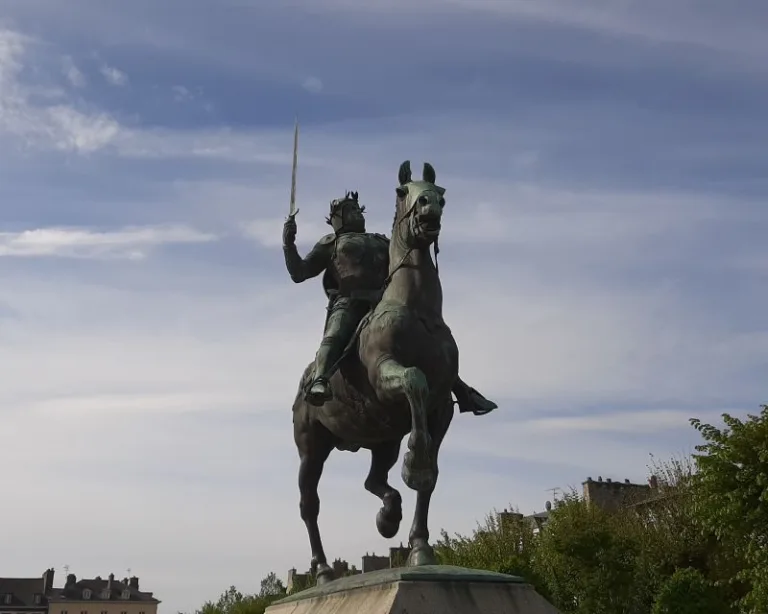
The square, like so much of the town is named after Bertrand du Guesclin. Born locally this Knight of Bretton became an esteemed military commander and French hero during the Hundred Years War.
Our guide took us to the outskirts of the town to see a small portion of the ramparts and the entrance to the Castle. Entry to the Castle was not included and there was insufficient time to walk the ramparts.
However we were given a potted history of Dinan’s medieval history, much of which is linked to England at that time.
Medieval Dinan
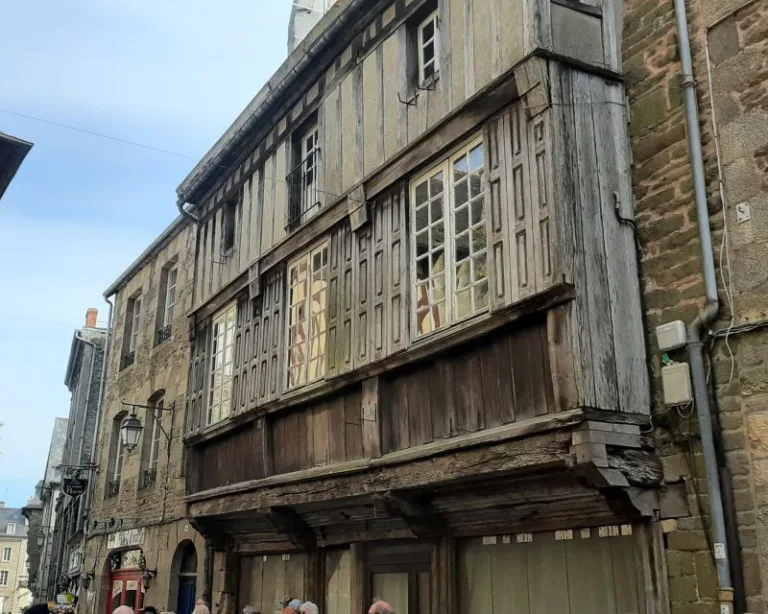
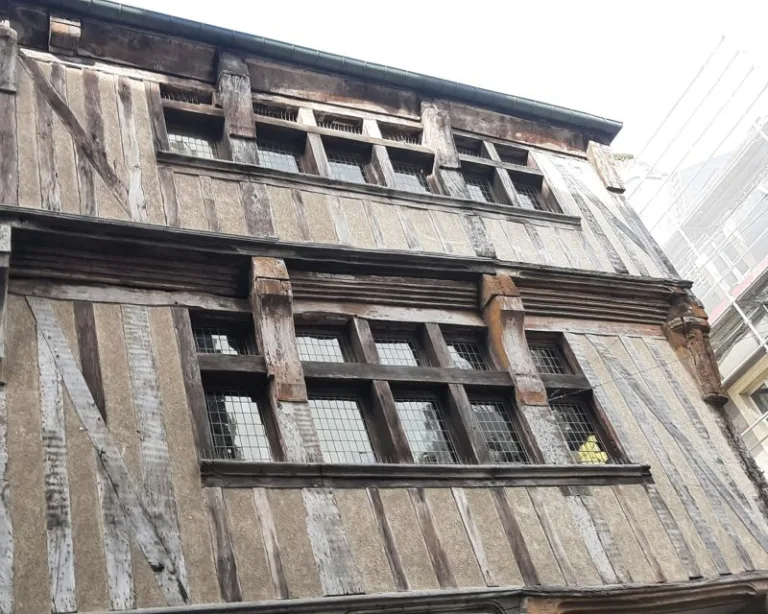
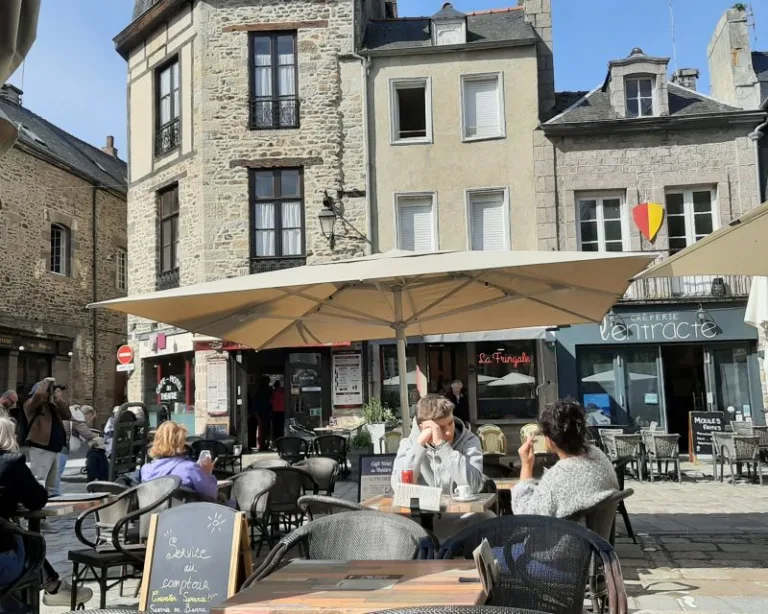
This was probably the most fascinating part of the tour. We strolled through the medieval streets marvelling at the presevation of the timber-framed buildings. There is no wonder that this town is famed for the houses. In total there are about 130 of them along the ancient cobbled streets. Many date back as far as the 1400’s.
Most of the timber-framed houses are concentrated in the upper town however there are more to see if you had down the steep streets to the port area.
There are some notable buildings amongst them is the Tour de l’Horloge or Clock Tower that too dates back to the 1400’s. Many of the buildings are still in use today, for instance the Hotel de Keratry.
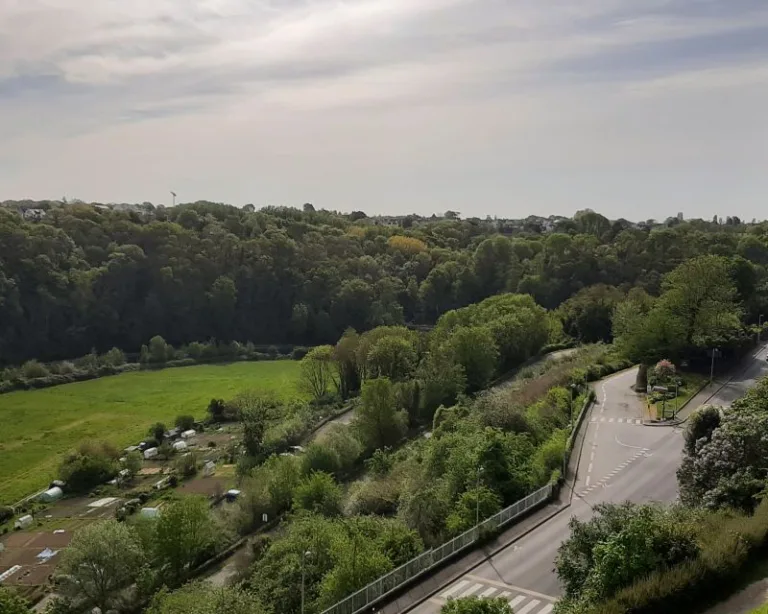
The next part of our walking tour took us through yet more streets and out to the ramparts where it was possible to view the lower part of Dinan. Such a shame that we didn’t have time to walk there, but be warned it is a steep slope.
The Basilca
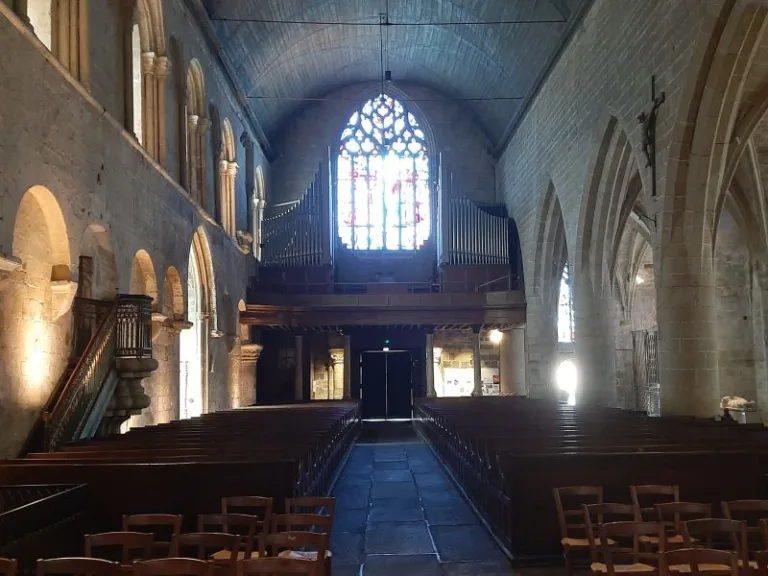
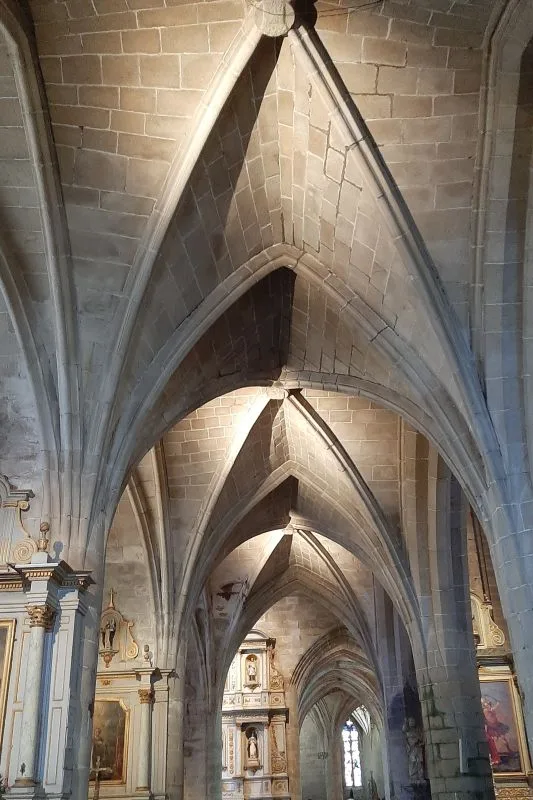
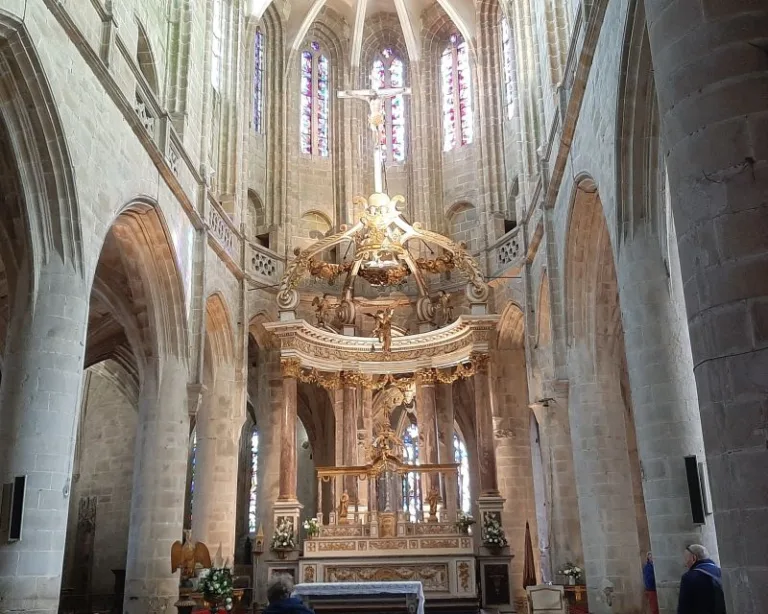
The Basilica of Saint-Sauveur is one of two parish churches in Dinan.
It was originally founded in the 12th Century and was reconstructed in the late 1400’s.
With such a span of history, this building encompasses a number of different architectural styles. It is also noted for it’s Romanesque carvings.
Most notably there is a 14th century tombstone holding the heart of locally born French hero Bertrand du Guesclin.
Much of the stained glass is 20th Century and includes work by Louis Barillet’s workshop, Jacques Le Chevallier, and Théodore-Gérard Hanssen. The Cavaillé-Coll organ dates to 1839.
At the end of the formal tour we were given `free time’ to explore. Several of us meandered back towards the coach pick up point.
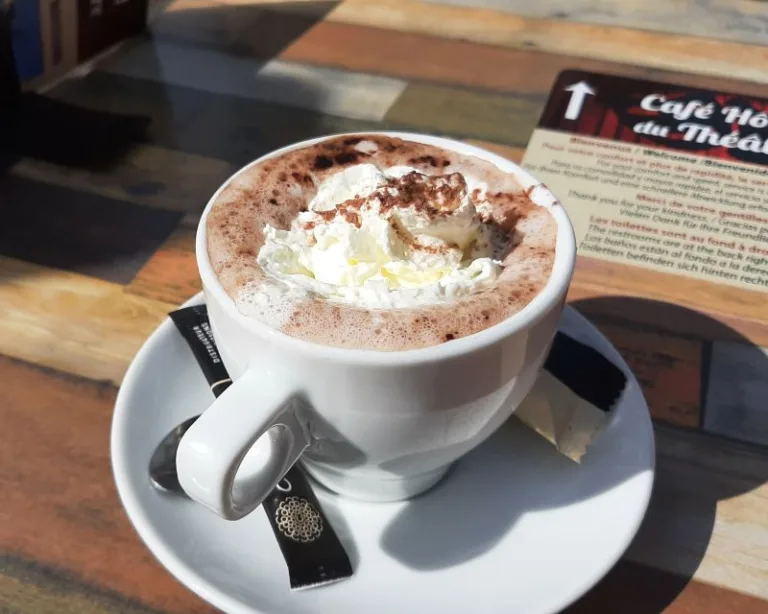
On the way we spotted this little area which is a square outside the local theatre. It would have been rude not to stop.
And so we reached the end of our all too brief visit to Dinan. Our advice would be to head here for a whole day if you can.
Accompanying Video(s)
To check out our experiences in Dinan just click the video below – and if you enjoy the content simply ‘Like’ and ‘Subscribe’ to see more (subscription is free).